
Recruitment is changing rapidly. Employers are no longer relying only on resumes, degrees, and traditional interviews to identify talent. Instead, modern hiring is increasingly shaped by artificial intelligence, skills-based evaluation, flexible work, data-driven decision-making, and a stronger focus on candidate experience.
For recruitment agencies and employers, understanding these changes is essential. The organisations that adapt early can attract better candidates, reduce hiring time, and build stronger long-term teams. This article explores the most important recruitment trends shaping 2026 and explains how businesses can respond effectively.
1. Artificial Intelligence Is Reshaping Recruitment
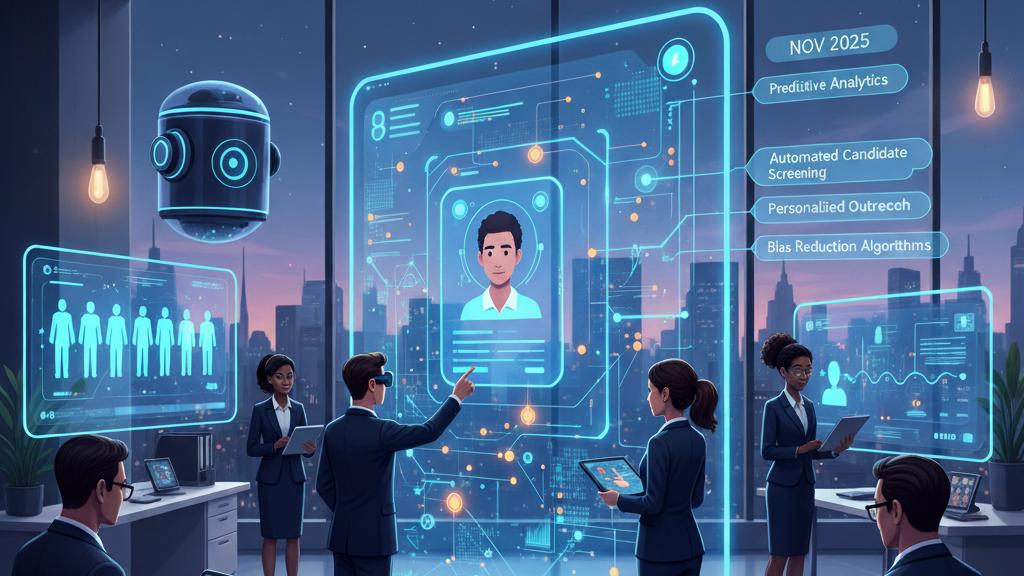
Artificial intelligence has become one of the most influential forces in recruitment. It is now being used across several stages of the hiring process, including sourcing, resume screening, candidate matching, assessments, interview scheduling, and communication.
Recent research shows that 86% of Indian organisations say AI or agentic AI is transforming their recruitment processes. Resume screening is currently the most common application, while AI-based assessments, candidate engagement tools, and predictive hiring systems are also gaining popularity.economictimes.indiatimes+1
AI can help recruiters:
- Identify candidates whose skills match a job description.
- Screen large volumes of applications more quickly.
- Automate interview scheduling and follow-up messages.
- Recommend suitable candidates from existing databases.
- Analyse job descriptions for missing or biased language.
- Provide basic answers to frequently asked candidate questions.
However, AI should support recruiters rather than replace human judgement. Automated systems may overlook non-traditional candidates, misunderstand career transitions, or reproduce bias contained in historical recruitment data. Human review, transparent processes, and regular system audits remain essential.
How employers should respond
Companies should begin with practical, low-risk applications such as administrative automation, candidate communication, and talent-pool searches. Before using AI for final hiring decisions, employers should test its accuracy, review results for bias, and ensure candidates know when automated assessments are being used.
2. Skills-Based Hiring Is Replacing Degree-First Recruitment
One of the most important recruitment trends is the shift from qualifications and job titles towards demonstrable skills.
In a traditional process, employers might require a specific degree or a fixed number of years of experience. A skills-based approach asks a different question: can the candidate perform the responsibilities of the role?
This change is particularly important because many emerging roles do not have established educational pathways. Artificial intelligence, cybersecurity, cloud computing, data engineering, digital marketing, and automation are developing faster than traditional academic programmes.
In India, AI-related hiring reached approximately 2.9 lakh active job postings in 2025, with demand projected to rise to nearly 3.8 lakh roles in 2026. Generative AI and large language model skills were among the fastest-growing areas.economictimes.indiatimes+1
Skills-based hiring may include:
- Practical work samples.
- Technical assignments.
- Situational judgement tests.
- Portfolio reviews.
- Structured interviews.
- Short-term projects or apprenticeships.
- Assessment of transferable skills.
For example, a company hiring a digital marketing executive might assess campaign planning, analytics, copywriting, and customer research rather than selecting candidates only by degree or previous job title.
Benefits of skills-based hiring
This approach can expand the talent pool, improve diversity, and help employers find capable candidates who may have developed their expertise through certifications, self-study, freelance work, or career changes.
Recruiters should separate essential skills from “nice-to-have” requirements. Excessive job requirements can discourage strong candidates from applying.
3. Hiring Is Becoming More Data-Driven
Recruitment teams increasingly use data to understand what is working and where hiring processes are losing candidates. Instead of relying only on intuition, organisations are tracking measurable indicators throughout the recruitment funnel.
Common recruitment metrics include:
- Time to fill.
- Time to hire.
- Cost per hire.
- Source of hire.
- Application-to-interview ratio.
- Interview-to-offer ratio.
- Offer acceptance rate.
- Quality of hire.
- New-hire retention.
- Candidate satisfaction.
Data can reveal problems that are difficult to see otherwise. For example, if many candidates apply but very few reach the interview stage, the job description or screening criteria may be too restrictive. If candidates regularly reject offers, compensation, flexibility, communication, or employer reputation may need attention.
The most valuable data is not simply the amount of information collected. It is the organisation’s ability to turn that information into better decisions.
4. Candidate Experience Has Become a Competitive Advantage
Candidates now evaluate employers throughout the hiring process. A slow, unclear, or impersonal recruitment experience can cause talented applicants to withdraw or reject an offer.
A positive candidate experience includes:
- A clear and accurate job description.
- A simple application process.
- Regular updates after each stage.
- Respectful and structured interviews.
- Reasonable assessment timelines.
- Constructive feedback where possible.
- Transparent information about salary and benefits.
- A clear explanation of the company’s work culture.
Communication is especially important. Even when there is no final decision, candidates appreciate being informed about delays or changes.
Recruitment agencies can add significant value by preparing candidates properly, explaining the process, and maintaining communication between the candidate and employer. This improves trust and strengthens the agency’s reputation.
5. Flexible and Hybrid Work Remain Important
Remote and hybrid work have moved from being temporary arrangements to important factors in employment decisions. Although some organisations are increasing office attendance, many candidates continue to value flexibility.
Flexible work may include:
- Fully remote roles.
- Hybrid schedules.
- Flexible start and finish times.
- Compressed working weeks.
- Location-independent project work.
- Part-time or contract opportunities.
The right model depends on the role, team, industry, and business requirements. Employers should clearly explain expectations during the recruitment process. Ambiguity about office attendance can lead to dissatisfaction after joining.
Recruiters should ask candidates about their preferred working arrangements early in the process and present opportunities that match those preferences. Flexibility is not only a benefit; for many professionals, it is a major factor in deciding whether to change jobs.
6. Internal Mobility and Upskilling Are Growing
Recruiting externally is not always the best solution to a skills shortage. Many companies are focusing on developing their existing employees through training, internal transfers, mentoring, and career progression.
Internal mobility can involve:
- Promoting employees into new roles.
- Moving staff between departments.
- Offering technical upskilling programmes.
- Supporting leadership development.
- Creating internal project opportunities.
- Building career pathways for high-potential employees.
This strategy can reduce hiring costs and improve retention. Employees are more likely to remain with organisations that provide opportunities to learn and advance.
The growth of AI is also making continuous learning more important. Employees may need to update their technical knowledge, learn new digital tools, or develop skills in analysis, communication, and problem-solving.
A strong recruitment strategy should therefore consider both external talent acquisition and internal talent development.
7. Recruitment Is Expanding Beyond Major Cities
Indian employers are increasingly exploring talent pools outside traditional metropolitan centres. Tier-2 cities can provide access to skilled professionals, lower operating costs, and a wider range of candidates.
Technology and digital connectivity have made it easier for organisations to recruit from cities such as Ahmedabad, Coimbatore, Jaipur, Indore, Kochi, Surat, and other emerging hubs. AI-related hiring is also expected to become more distributed across Tier-1 and Tier-2 locations.economictimes.indiatimes+1
This trend benefits candidates by creating opportunities closer to home. It also encourages employers to build more inclusive and geographically diverse teams.
To recruit successfully from emerging talent markets, companies may need to:
- Use local job platforms and professional networks.
- Offer remote or hybrid options.
- Build partnerships with colleges and training institutes.
- Adapt communication to local candidate communities.
- Evaluate skills consistently rather than relying on brand-name employers.
8. Early-Career Hiring and Internship-to-Hire Programmes
Employers are placing greater emphasis on internships, apprenticeships, graduate programmes, and campus hiring. These programmes allow organisations to evaluate candidates over a longer period and develop talent according to business needs.
Internship-to-hire models can help companies:
- Identify promising candidates early.
- Reduce uncertainty in entry-level recruitment.
- Build future-ready skills.
- Improve employer branding among students.
- Create a more diverse talent pipeline.
Recent reporting on India’s campus hiring market indicates that organisations are increasing their focus on internship programmes, early-career talent, and AI-enabled recruitment.economictimes.indiatimes+1
For candidates, internships are increasingly valuable because they demonstrate practical experience. Students should focus on building portfolios, completing meaningful projects, and developing communication skills in addition to earning academic qualifications.
9. Greater Focus on Diversity and Fairness
Diversity, equity, and inclusion are becoming more closely connected with recruitment strategy. Employers are paying greater attention to how job descriptions are written, where roles are advertised, how interviews are structured, and which candidates progress through the process.
Fair recruitment practices include:
- Using consistent interview questions.
- Defining objective selection criteria.
- Advertising roles across multiple channels.
- Avoiding unnecessary qualification requirements.
- Providing reasonable accessibility support.
- Monitoring recruitment outcomes.
- Training interviewers to recognise unconscious bias.
AI does not automatically make recruitment fair. If the data used to train an algorithm reflects past discrimination, the system may repeat it. Organisations should therefore combine technology with human oversight and clear accountability.
10. Employer Branding Influences Hiring Success
Candidates want to understand what it is like to work for an organisation before accepting an offer. Employer branding includes the company’s reputation, leadership style, employee experience, career opportunities, workplace culture, and social values.
A strong employer brand is supported by evidence rather than slogans. Useful content may include:
- Employee stories.
- Day-in-the-life articles.
- Information about learning and development.
- Clear details about benefits.
- Leadership communication.
- Workplace photographs or videos.
- Honest explanations of the recruitment process.
Recruitment agencies can help clients improve employer branding by identifying what candidates value and communicating the employer’s strengths accurately.
What Recruitment Agencies Should Do Now
Recruitment agencies such prepare for these trends by combining technology with personal service.
Key actions include:
- Build a searchable, skills-focused candidate database.
- Use AI tools to support sourcing and screening, while retaining human review.
- Develop specialist talent communities in high-demand areas.
- Improve candidate communication at every stage.
- Track placement, retention, and client satisfaction data.
- Support clients with accurate salary and market insights.
- Expand sourcing into Tier-2 cities and professional communities.
- Offer candidates guidance on interviews, skills, and career planning.
- Create strong internship and entry-level hiring programmes.
- Maintain transparent and ethical recruitment practices.
The future of recruitment will not be defined by technology alone. The most successful recruiters will combine digital efficiency with empathy, market knowledge, judgement, and trusted relationships.
Frequently Asked Questions
What is the biggest recruitment trend in 2026?
The biggest trend is the integration of artificial intelligence with skills-based hiring. Employers are using AI to improve sourcing, screening, assessments, and candidate engagement, while increasingly evaluating what candidates can do rather than relying only on degrees or job titles.
Will AI replace recruitment consultants?
AI is unlikely to eliminate the need for effective recruitment consultants. It can automate repetitive work, but recruiters remain important for relationship management, candidate motivation, role interpretation, negotiation, cultural fit, and sensitive decision-making.
What does skills-based hiring mean?
Skills-based hiring means assessing candidates according to their practical capabilities and potential rather than depending primarily on degrees, previous employers, or job titles. Employers may use work samples, portfolios, assessments, and structured interviews.
Are degrees becoming less important?
Degrees remain essential for some regulated and specialised professions. However, many employers are becoming more flexible for roles where skills can be demonstrated through experience, certifications, projects, or assessments.
How can candidates prepare for modern recruitment?
Candidates should keep their skills current, build a clear online profile, maintain a portfolio where relevant, practise structured interviews, and demonstrate measurable achievements. Familiarity with commonly used digital and AI tools can also improve employability