
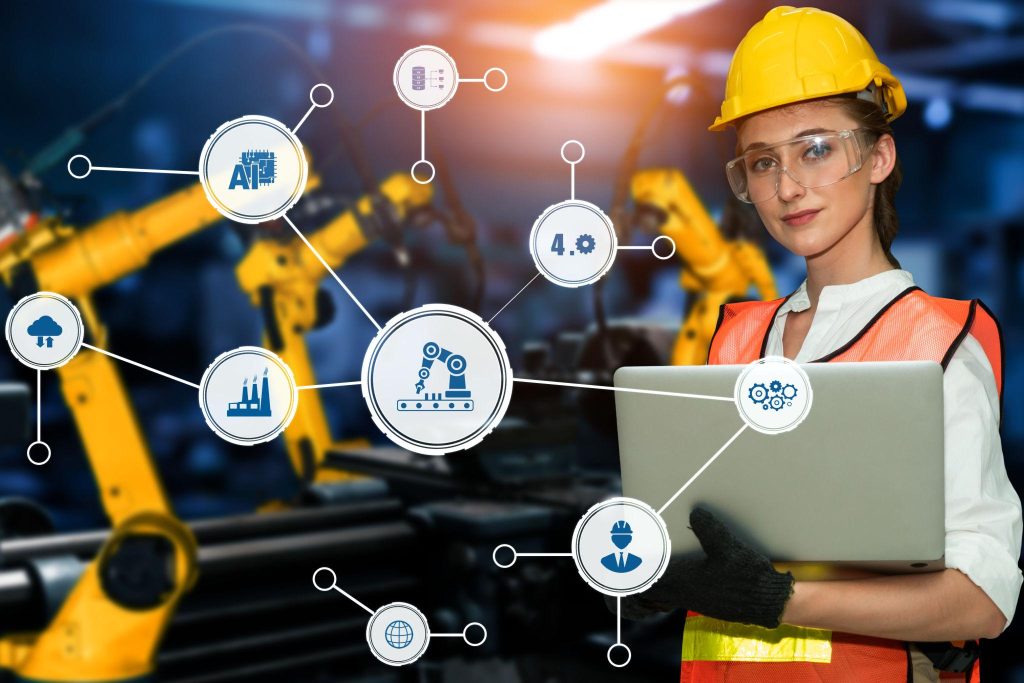
Manufacturing recruitment is entering a new phase. Factories are adopting automation, robotics, artificial intelligence, electric-vehicle technology, smart systems, and advanced quality controls. As a result, employers need people who combine practical shop-floor experience with digital and technical skills.
At the same time, manufacturers continue to face shortages in maintenance, engineering, production, quality, and skilled-trade roles. The global manufacturing workforce could face a shortfall of 7.9 million people by 2030, potentially creating significant economic losses. For Indian manufacturers, recruitment is becoming more skills-focused, technology-driven, and closely connected to productivity.taggd
For companies working with recruitment partners such as MVS Recruitment, understanding these changes is essential to building a reliable and future-ready workforce.
The Changing Manufacturing Workforce
Manufacturing has traditionally depended on operators, technicians, supervisors, engineers, quality professionals, and supply-chain teams. These roles remain important, but their skill requirements are changing.

A production operator may now need to work with digital dashboards, automated machinery, sensors, and manufacturing execution systems. A maintenance technician may be expected to understand programmable logic controllers, robotics, predictive maintenance, and industrial networks. Supervisors increasingly need to interpret production data, manage multi-skilled teams, and support continuous improvement.
This means manufacturers are not simply hiring more people. They are searching for people with broader and more adaptable capabilities.
India’s growing investment in electric vehicles, electronics, semiconductors, renewable energy, and advanced manufacturing is increasing demand for automation-ready talent. Recruitment demand is especially strong for PLC and CNC technicians, robotics maintenance professionals, process engineers, and quality and compliance specialists.machineedgeglobal
Major Recruitment Trends in Manufacturing
1. Skills-based hiring is becoming standard
Manufacturers are gradually moving away from degree-first recruitment. Educational qualifications remain useful, but employers are giving greater importance to practical capability and job readiness.
Recruiters are now assessing:
- Machine-operation experience.
- PLC and CNC knowledge.
- Electrical and mechanical troubleshooting.
- Preventive and predictive maintenance.
- Quality-control methods.
- Lean manufacturing principles.
- Safety and compliance awareness.
- Technical drawing and measurement.
- Data interpretation and problem-solving.
A candidate with a relevant ITI qualification, apprenticeship, certification, and hands-on experience may be more suitable for a technical role than a graduate without practical exposure.
Skills-based hiring also helps companies access candidates from wider talent pools, including vocational institutes, apprenticeship programmes, contract workers, career changers, and professionals from related industries.
2. Industry 4.0 is changing job descriptions
Smart factories are creating demand for hybrid professionals. These employees understand both manufacturing operations and digital technology.
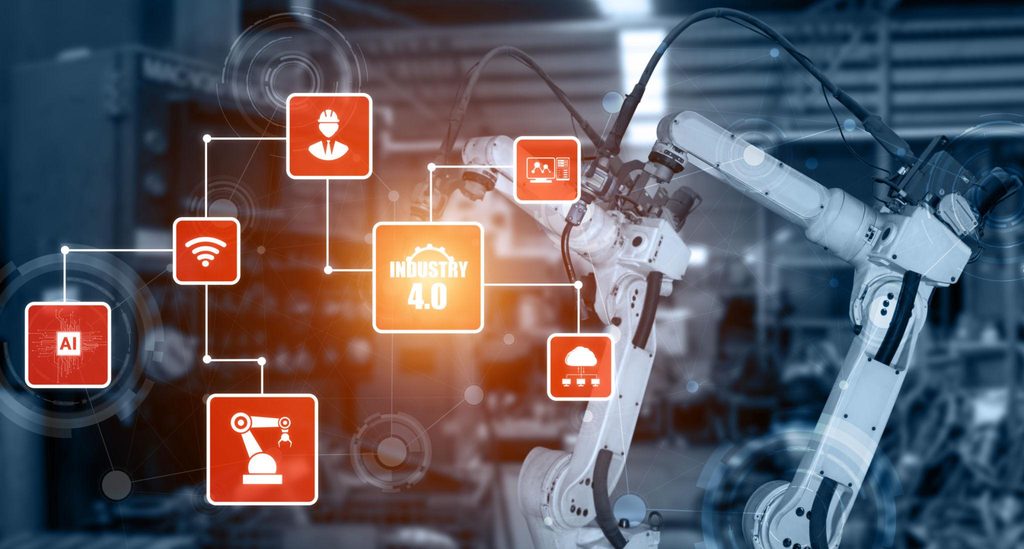
Emerging requirements include:
- Industrial Internet of Things.
- Automation and robotics.
- Programmable logic controllers.
- Manufacturing execution systems.
- Industrial cybersecurity.
- Data analytics.
- Digital twins.
- Predictive maintenance.
- Human-machine collaboration.
- Enterprise resource planning systems.
The challenge is that many candidates possess either traditional manufacturing knowledge or digital skills, but not both. Recruitment teams must therefore identify transferable abilities and work with employers to create realistic job requirements.
For example, an experienced maintenance technician with strong electrical knowledge may be trainable in PLC programming. Similarly, a software professional with industrial-data experience may require additional exposure to factory operations.
3. Demand for multi-skilled workers is increasing
Manufacturers want employees who can perform more than one specialised task. Multi-skilling provides greater operational flexibility and helps factories respond to absenteeism, production changes, and new technology.
A multi-skilled technician may be able to troubleshoot electrical systems, perform mechanical repairs, read technical drawings, and use digital maintenance software. A production employee may be trained in machine operation, quality inspection, material handling, and basic maintenance.
For recruiters, this means candidate evaluation should consider the full range of capabilities rather than focusing narrowly on one job title.
4. Hiring is expanding beyond major cities
Manufacturing recruitment is becoming increasingly regional. New plants, industrial corridors, warehouses, and supplier networks are developing in Tier-2 and Tier-3 cities.
This creates opportunities for employers to access local talent and reduce relocation challenges. However, candidates may require training, transport support, accommodation, or relocation assistance before they can join.
Recruiters should build local sourcing networks through:
- ITIs and polytechnic colleges.
- Apprenticeship institutions.
- Local employment exchanges.
- Community hiring drives.
- Regional job portals.
- Employee referral programmes.
- Local technical associations.
A local talent strategy can also improve retention because employees may prefer working closer to their families.
5. Women’s participation in manufacturing is growing
Manufacturing employers are paying more attention to women candidates, particularly in electronics, textiles, apparel, food processing, quality, laboratory, packaging, and assembly operations. Recent reporting indicates that young women are increasingly entering Indian manufacturing, especially in textile and apparel employment.businesstoday
To attract and retain more women, companies should review:
- Workplace safety.
- Transport arrangements.
- Sanitation and changing facilities.
- Shift policies.
- Maternity support.
- Supervisor behaviour.
- Equal-pay practices.
- Career progression.
- Flexible or staggered shifts.
Inclusive employment policies are not only socially valuable; they also help manufacturers expand their available talent pool.
6. Retention is as important as recruitment
High employee turnover can seriously affect production schedules, training costs, safety, and quality. Manufacturing employees may leave because of low wages, demanding shifts, poor accommodation, limited career growth, unsafe conditions, or inadequate supervision.
Recruitment should therefore be connected to retention from the beginning. During the hiring process, candidates should receive accurate information about:
- Salary and overtime.
- Shift timings.
- Weekly holidays.
- Job location.
- Transport and accommodation.
- Physical requirements.
- Probation conditions.
- Career progression.
- Workplace policies.
Overpromising during recruitment may increase joining numbers temporarily but often leads to early attrition. Honest communication creates better matches between employers and candidates.
7. Technology is supporting recruitment administration
Recruitment technology is helping manufacturing companies manage large-volume hiring more efficiently. Applicant tracking systems, automated interview scheduling, digital onboarding, candidate databases, and AI-assisted screening can reduce administrative work.
These tools are particularly useful when employers need to hire large numbers of operators, technicians, warehouse workers, or production staff within a short period.
However, technology should not become a barrier for candidates who have limited digital access. Employers can combine online applications with walk-in drives, telephone screening, local recruitment camps, and assisted application centres.
The best approach is a blended model: technology for speed and organisation, supported by human interaction and practical assessment.
How MVS Recruitment Can Support Manufacturers
A specialist recruitment partner can help manufacturers address both volume hiring and technical skill shortages.
MVS Recruitment can create value by:
- Understanding the production environment before sourcing candidates.
- Preparing accurate job descriptions.
- Building talent pools for operators, technicians, engineers, supervisors, and quality staff.
- Conducting initial skill and experience screening.
- Coordinating interviews and practical tests.
- Supporting local and multi-location hiring drives.
- Verifying documents and employment history.
- Helping candidates understand shift and workplace expectations.
- Tracking joining ratios and early attrition.
- Maintaining a pipeline for future requirements.
For technical vacancies, recruiters should work closely with plant heads, maintenance managers, production managers, and quality leaders. This ensures that candidates are assessed against actual workplace requirements rather than generic job descriptions.
A Practical Manufacturing Hiring Strategy
Manufacturers can improve recruitment results by following a structured process:
- Define the essential technical, behavioural, and safety skills for each role.
- Separate must-have requirements from skills that can be taught.
- Use practical assessments wherever possible.
- Source candidates from both experienced and emerging talent pools.
- Communicate salary, shifts, location, and benefits clearly.
- Offer training and progression for entry-level employees.
- Use data to monitor time-to-hire, joining rates, and retention.
- Review recruitment outcomes by location, gender, source, and role.
- Strengthen supervisor training because frontline management strongly influences retention.
- Maintain regular contact with candidates before joining.
Frequently Asked Questions
How can manufacturers reduce employee attrition?
Companies can reduce attrition by offering accurate job information, competitive pay, safe working conditions, reliable transport, proper onboarding, respectful supervision, training, and clear career progression. Retention begins with selecting candidates whose expectations match the actual role.
What are the most difficult manufacturing roles to recruit for?
The most difficult roles often include PLC technicians, CNC specialists, robotics and automation technicians, maintenance engineers, quality professionals, process engineers, production supervisors, and industrial electricians. These positions require practical experience and specialised technical knowledge, which are not always readily available.
Is manufacturing recruitment becoming more technology-focused?
Yes. Modern manufacturing roles increasingly involve automation, robotics, sensors, data systems, digital maintenance platforms, and connected production equipment. Employers are therefore seeking candidates who can combine traditional manufacturing knowledge with digital and analytical skills.
Are qualifications or practical skills more important in manufacturing hiring?
Both can matter, depending on the position. Regulated or engineering roles may require specific qualifications, while many operator and technician roles can be assessed through practical skills, certifications, apprenticeships, and relevant experience. Employers should avoid rejecting capable candidates solely because they do not follow a traditional educational path.
How can a recruitment agency help with high-volume manufacturing hiring?
A recruitment agency can manage sourcing, candidate screening, documentation, interview coordination, local hiring campaigns, workforce pipelines, and joining follow-up. A specialised agency can also help employers identify technical skills, reach candidates in different locations, and improve hiring speed without sacrificing quality.
Conclusion
Manufacturing recruitment is moving from volume-based hiring towards skills-based, technology-enabled, and retention-focused workforce planning. Automation is not eliminating the need for people; it is changing the abilities that employees need.
Manufacturers that invest in practical assessments, multi-skilled talent, local sourcing, women’s participation, training, and transparent employment communication will be better prepared for future growth. With the right recruitment partner, businesses can build teams that are productive today and adaptable enough for the factories of tomorrow.